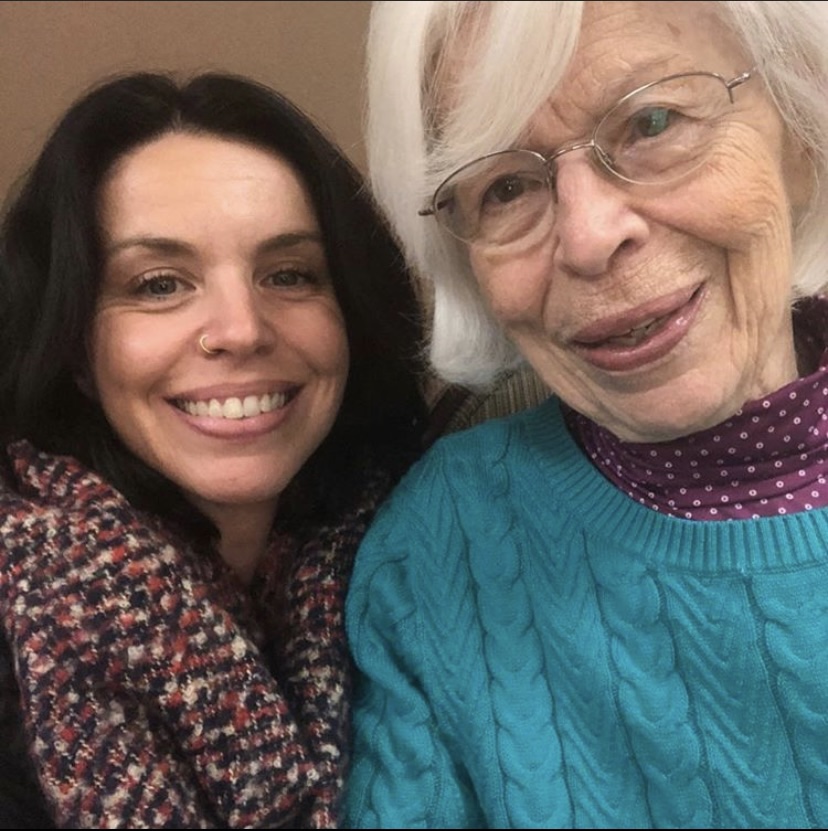
March 2024
Mom and I sat in the Executive Director’s office. Mom was crying, railing against some new issue she was having at the assisted living facility she’d had to move into due to safety concerns connected to her dementia diagnosis. I was infuriated- it was early days in this process, and I had yet to learn the all-important skills of suspending reason and therapeutic lying. The Executive Director looked equal parts concerned and bemused. He had not met a resident quite like my Mom- feisty, cunning, and smart as a whip.
These qualities made Mom the incredible woman she was: multilingual, language teacher for many decades, a great friend, a devoted mother and wife. Unfortunately, they proved a liability when it came to her dementia. Mom noticed everything, and she fought everything. She had a talent for escaping, and she wasn’t afraid to tell people what they wanted to hear if it meant she had a chance at getting what she wanted. Which was ultimately, and understandably, her freedom from dementia and freedom from this new living situation.
As my frustration grew, I knew I had a choice: erupt in anger or find a way to connect. Suddenly I remembered something Mom always told me when I was feeling lost, confused, or lacked control in a situation: “Bloom where you’re planted, Carolyn.” In that moment I said, “Mom, bloom where you’re planted. We must find a way to accept this. We must bloom in this situation.” Then we all sat quietly, and I watched her body relax as she said, “Ok, Carolyn. Ok. I will bloom.” And she did.
Blooming where we’re planted does not mean that we remain in unsafe or unhealthy situations, nor does it mean remaining stagnant, nor does it mean avoiding seeking help. What it means, at least to me, is that we learn acceptance. When we can accept our current reality, we can channel our energy into doing what we can within it while moving forward and encouraging growth. When we stop resisting, hope and peace can bloom in the present moment.
The concept of radical acceptance is very relevant here. With roots in Dialectical Behavior Therapy (DBT), radical acceptance acknowledges that pain is part of life while training us to choose how we view our situations. What can I control in this situation? Usually, the one thing I can control is how I am viewing and responding. I have a choice to take steps to let go of anger and resentment-which cause me to react-and embrace acceptance and peace, which root me in the present moment and help me to respond with clarity.
Radical acceptance is a practice, meaning it is not going to feel like second nature overnight! We must make a conscious effort to practice it every day. Arlin Cuncic, MA, in an article on VeryWell Mind (https://www.verywellmind.com/what-is-radical-acceptance-5120614), offers ten steps for practicing radical acceptance:
- Pay attention to what triggers resistance or notice when you can’t accept something.
- Remind yourself that in this moment, reality can’t be changed.
- Remind yourself that there are causes for this reality that are outside of your control.
- Think about what you would do if you were able to accept what happened (and then do those things as though you had already accepted what happened).
- Imagine what things would be like if you accepted the situation.
- Use relaxation strategies, mindfulness practices, journaling, and self-reflection to understand your emotions.
- Let yourself feel your emotions in a safe way.
- Observe how emotions resonate in your body. Is there any tightness, pain, or restriction?
- Accept that life can be worthwhile even when experiencing pain.
- Decide to commit to the practice of acceptance when you feel resistance come up again.
Mom and I worked on this together throughout her dementia journey. Our paths sometimes diverged- Mom went one way as she tried to accept her changing health and loss of independence while I went another way, striving to embrace my grief while accepting the new realities of caregiving. While it isn’t always easy to bloom where we’re planted-to practice radical acceptance of our circumstances-learning to do so can release resistance and help us to grow in the direction we want to go. Despite our individual experiences, Mom and I always stayed connected and made the best of our beautiful present moments through this practice of acceptance and blooming where we’re planted.

